The Art and Utility of Cowboy Ropes: Forming Lasso Loops, Knots, and Western Design Elements
In the vast landscape of graphic design and creative crafts, few motifs carry as much immediate visual weight and cultural resonance as the cowboy rope. The image of a coiled lariat, a tightly knotted hitch, or a perfectly thrown loop is not merely a relic of the Old West; it is a dynamic symbol of skill, control, and rugged individualism. For modern creators, understanding the mechanics behind Cowboy Ropes Forming Lasso Loops and Knots offers more than just historical trivia. It provides a foundational aesthetic that can elevate branding, enhance digital patterns, and add authenticity to handcrafted goods.
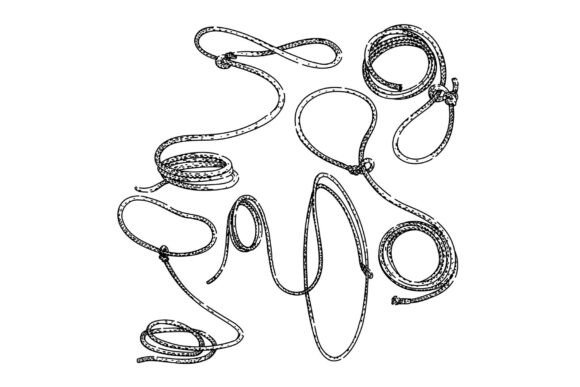
The resurgence of western-themed design is not a fleeting fad but a reflection of broader cultural shifts toward authenticity, craftsmanship, and heritage. As consumers increasingly value products with a story and a sense of place, the visual language of the ranch has found new life in contemporary markets. This article explores how the intricate details of lasso mechanics translate into powerful design elements, specifically focusing on collections of hand-drawn lasso ropes, knots, and coils in black and white line art.
The Evolution of Western Aesthetics in Modern Design
Historically, western imagery was often relegated to niche markets or stereotypical representations. However, the modern interpretation of cowboy culture has matured. Today’s designers and entrepreneurs are moving away from cartoonish caricatures toward sophisticated, minimalist representations. This is where the specific study of ropes forming lasso loops and knots becomes critical. The accuracy of the knot, the tension in the coil, and the flow of the rope tell a story of functionality.
Black and white line art has emerged as a preferred medium for this translation. By stripping away color, designers force the viewer to focus on form, texture, and structure. A hand-drawn lasso coil in stark black ink against a white background conveys elegance and precision. This style aligns perfectly with current trends in logo design and packaging, where clarity and scalability are paramount. Whether used for a boutique coffee brand, a leather goods label, or a tech startup aiming for a "rugged reliability" vibe, these elements offer versatility that colorful illustrations often lack.
Practical Applications for Creators and Businesses
For professionals across various industries, integrating western ranch and cowboy themed design elements requires a nuanced approach. It is not enough to simply slap a rope image onto a product. The context must match the intent. Here are several practical ways these assets can be utilized effectively:
- Brand Identity and Logos: A well-designed logo using a lasso loop can symbolize community, connection, or capturing value. For businesses in agriculture, outdoor recreation, or even financial services (symbolizing "securing" assets), a stylized knot or coil can serve as a memorable icon. The key is simplicity; complex knots may lose detail when scaled down for favicons or social media avatars.
- Pattern Design for Textiles and Packaging: Repeating patterns of hand-drawn coils and ropes create a textured backdrop that feels organic and tactile. This is particularly effective for wrapping paper, fabric prints, or the interior lining of product boxes. The rhythmic nature of coiled rope lends itself naturally to seamless patterns, adding visual interest without overwhelming the primary content.
- Educational and Instructional Materials: Educators and hobbyists creating content about knot-tying, survival skills, or equestrian sports can use accurate line art to illustrate techniques. Clear, high-contrast diagrams derived from hand-drawn collections help learners visualize the steps involved in forming a honda knot or throwing a loop, enhancing the educational value of the material.
- Digital Assets and Web Design: In web design, subtle background elements featuring faint rope textures can add depth to hero sections or footers. These elements should be used sparingly to maintain readability but can significantly enhance the thematic consistency of a site dedicated to outdoor lifestyles or heritage brands.
Why Hand-Drawn Line Art Resonates with Modern Audiences
In an era dominated by AI-generated images and sterile vector graphics, hand-drawn line art stands out for its human touch. Imperfections in the line weight, slight variations in curvature, and the organic flow of the ink convey authenticity. Consumers are increasingly skeptical of overly polished, generic visuals. They seek connections to real craftsmanship.
A collection of hand-drawn lasso ropes, knots, and coils offers this authenticity. Each stroke suggests the hand of an artist who understands the subject matter. This perceived effort translates into perceived value for the end user. When a customer sees a carefully rendered knot on a product label, they subconsciously associate that attention to detail with the quality of the product itself. This psychological link is powerful for marketers and business owners looking to differentiate their offerings in crowded marketplaces.
Navigating Cultural Sensitivity and Authenticity
While celebrating western heritage, it is essential to approach these design elements with respect and accuracy. The cowboy narrative is complex, involving diverse histories and cultures. Using generic or inaccurate symbols can lead to misrepresentation. Designers should strive for accuracy in how ropes are depicted. For instance, knowing the difference between a bowline and a honda knot adds credibility. Misusing these terms or depicting impossible knots can alienate knowledgeable audiences within the equestrian and ranching communities.
Furthermore, inclusivity in western themes is growing. Modern western design is not limited to traditional stereotypes. It encompasses a broader range of voices and experiences. By focusing on the universal tools of the trade—like the rope—designers can create inclusive imagery that honors the skill and labor associated with ranching, regardless of the individual’s background. This approach ensures that the design remains respectful and relevant to a diverse global audience.
Technical Considerations for Digital Implementation
When incorporating Cowboy Ropes Forming Lasso Loops and Knots into digital projects, technical execution is as important as artistic choice. Black and white line art must be optimized for various resolutions. Vector formats (such as SVG) are ideal for logos and icons because they scale infinitely without losing quality. For pattern backgrounds, high-resolution PNGs with transparent backgrounds allow for flexible layering in design software.
Creators should also consider contrast ratios for accessibility. Thin lines may disappear on certain screens or when printed on textured materials. Testing designs across different mediums ensures that the intricate details of the knots and coils remain visible and impactful. Additionally, maintaining a consistent line weight throughout a collection creates a cohesive visual language, making it easier to mix and match elements in larger design compositions.
Future Trends in Heritage Design
Looking ahead, the integration of heritage elements like western ropes into modern design is likely to deepen rather than diminish. As technology advances, there is a counter-movement toward tangible, rooted experiences. We see this in the rise of "slow fashion," artisanal foods, and handmade crafts. Design elements that evoke tradition and skill will continue to be in demand.
Moreover, the versatility of black and white line art allows it to adapt to emerging platforms. From augmented reality filters that overlay rope patterns in real-time to minimalist app interfaces that use knot icons for navigation, the potential applications are expanding. Designers who master the balance between traditional aesthetics and modern functionality will be well-positioned to meet these evolving needs.
In conclusion, the study and application of Cowboy Ropes Forming Lasso Loops and Knots is far more than a niche interest. It is a rich vein of creative potential that bridges history and modernity. By leveraging high-quality, hand-drawn collections of these elements, creators and businesses can craft narratives of authenticity, skill, and heritage. Whether for a logo, a pattern, or an educational tool, the humble rope offers a timeless symbol that continues to resonate with audiences seeking meaning and connection in their daily lives.