Cassette Tape: Strategic Design Assets for Modern Branding and Creative Projects
In an era dominated by ephemeral digital trends, the resurgence of analog aesthetics offers a unique opportunity for brands and creators to establish depth, authenticity, and tangible connection. The Cassette Tape is no longer merely a relic of audio history; it has evolved into a powerful visual symbol representing nostalgia, craftsmanship, and curated experience. For entrepreneurs, marketers, and designers, leveraging this iconography requires more than just inserting an image into a layout. It demands a strategic approach to how visual assets are sourced, implemented, and integrated into broader communication goals.
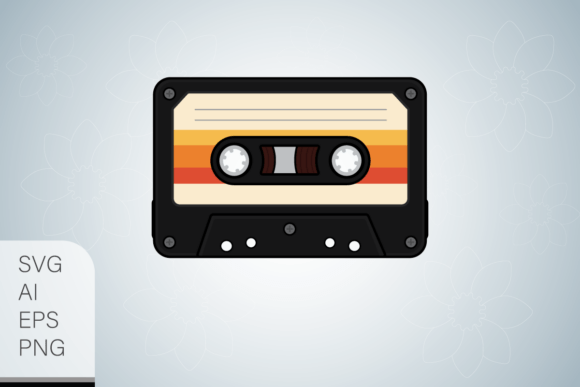
When you acquire a high-quality design package centered around the Cassette Tape, you are not just buying a graphic. You are investing in a versatile tool that can bridge the gap between retro appeal and modern functionality. The specific asset package described here includes a comprehensive suite of file formats—PNG with transparent backgrounds at 300 DPI, SVG, AI, and EPS files—all contained within a single zip archive. This technical versatility is crucial for professionals who need to maintain quality across various mediums, from large-format wall art to intricate sublimation prints on clothing.
Understanding the Strategic Value of High-Resolution Assets
The difference between a amateurish design and a professional brand identity often lies in the resolution and flexibility of the underlying assets. A common mistake among small business owners and hobbyists is using low-resolution images that pixelate when scaled or fail to integrate seamlessly with complex backgrounds. The inclusion of a PNG with a transparent background at 300 DPI addresses this fundamental issue. At 4583x2996 pixels, this file provides ample data for high-quality printing, ensuring that the edges of the cassette tape remain crisp and clean, whether used on a business card or a large poster.
Furthermore, the inclusion of vector formats such as SVG, AI, and EPS transforms the utility of the Cassette Tape graphic. Vector files are resolution-independent, meaning they can be scaled to any size without loss of quality. This is particularly vital for applications where the final output size is variable or unknown during the design phase. For instance, a logo derived from this asset might need to appear on a tiny favicon and a massive billboard. Without vector files, achieving consistency across these scales is nearly impossible. By providing these formats, the asset package empowers users to make long-term decisions about their branding without being constrained by technical limitations.
Diverse Applications for Maximum Impact
To truly capitalize on the potential of this design resource, one must look beyond obvious uses. The versatility of the Cassette Tape motif allows it to serve multiple strategic functions depending on the context. Here are several practical avenues for implementation:
- Stationery and Corporate Identity: Using the cassette graphic on letterheads, envelopes, or notebook covers can signal a brand’s appreciation for classic values and attention to detail. It adds a layer of personality to otherwise standard corporate communications.
- Wall Art and Prints: For interior designers or artists selling prints, the high-resolution PNG ensures that the texture and details of the tape are preserved. This appeals to consumers looking for decor that sparks conversation and evokes emotional responses tied to memory and culture.
- Clothing and Sublimation: The fashion industry, particularly streetwear and vintage-inspired lines, benefits greatly from this aesthetic. The transparent background allows designers to place the cassette tape over various fabric colors and patterns without unsightly white boxes around the image. Sublimation printing requires high-DPI sources to ensure the ink bonds correctly with the fabric, making the 300 DPI PNG essential.
- Stickers and Crafts: Small businesses specializing in handmade goods can use the SVG or AI files to cut precise shapes for vinyl stickers. This precision reduces material waste and enhances the perceived quality of the final product.
- Digital Clipart and Content Creation: Bloggers and social media managers can use the PNG files to break up text-heavy posts or create engaging visuals for newsletters. The nostalgic element can increase engagement rates by triggering positive associations in the audience.
Planning Your Implementation: A Decision-Making Framework
Before diving into design, it is prudent to assess your specific goals. Are you aiming to attract a younger demographic interested in vintage trends, or are you targeting an older audience that remembers the original era of cassette tapes? The answer influences how you style the Cassette Tape asset. For a younger audience, combining the retro icon with modern, bold typography creates a striking contrast known as "retro-futurism." For an older demographic, pairing it with warm, muted colors and serif fonts may evoke a stronger sense of comfort and familiarity.
It is also important to consider the technical requirements of your chosen medium. If you are planning to use the asset for web-only purposes, you might optimize the PNG for faster loading times while retaining visual clarity. However, if physical products like prints or clothing are part of your revenue stream, never compromise on the source file quality. Always start with the highest resolution available—the 4583x2996 pixel PNG or the vector files—and scale down as needed. This workflow ensures that you always have a master file capable of meeting future, unforeseen needs.
Risks of Unintentional Use
While the Cassette Tape is a compelling visual, using it without clear intent can dilute your brand message. One significant risk is cliché. Because retro aesthetics are popular, there is a saturation of similar imagery in the marketplace. To stand out, you must customize the asset. Use the AI or EPS files to modify colors, add unique textures, or combine the cassette with other distinct elements that reflect your specific brand narrative. Simply dropping the default image onto a background is rarely enough to create a memorable impression.
Another consideration is contextual relevance. If your brand is strictly focused on cutting-edge technology or minimalist futurism, a cassette tape might send mixed signals unless used ironically or as a deliberate commentary. Always ask whether the visual supports your core value proposition. If the goal is to communicate efficiency and speed, a slow, analog symbol might be counterproductive unless framed carefully as a statement on slowing down and mindful consumption.
Technical Considerations and File Management
Upon downloading the zip archive, organize your files immediately. Separate the raster images (PNG) from the vector files (SVG, AI, EPS). Keep the original zip file as a backup. Note that mockups are not included in the package. This is a standard practice in digital asset sales, as mockups are often subjective and dependent on the specific product being designed. Instead of relying on pre-made mockups, create your own or use specialized mockup tools that allow you to visualize the Cassette Tape design on your specific products. This approach gives you greater control over the final presentation and ensures that the marketing materials accurately represent what the customer will receive.
Working with vector files requires software such as Adobe Illustrator or compatible open-source alternatives like Inkscape. If you are primarily a photographer or web designer accustomed to raster-based workflows, take time to learn the basics of vector editing. Understanding how to manipulate anchor points and paths will unlock the full potential of the AI and EPS files, allowing you to tailor the cassette tape shape to fit unique layouts or integrate it seamlessly with other design elements.
Long-Term Value and Brand Consistency
Investing in high-quality, versatile design assets pays dividends over time. By having a robust set of files for the Cassette Tape, you ensure consistency across all touchpoints. Whether a customer sees your brand on a sticker, a t-shirt, or a digital ad, the visual language remains coherent. This consistency builds trust and recognition, which are critical for long-term business success. Moreover, having the source files means you are not dependent on external designers for minor adjustments. You retain ownership and control over your brand’s visual identity, enabling quicker iterations and more agile responses to market trends.
In conclusion, the Cassette Tape design package is more than a collection of images; it is a strategic resource for creators who value quality and flexibility. By understanding the technical specifications, planning your application thoughtfully, and avoiding generic usage, you can leverage this asset to enhance your brand’s storytelling and connect with your audience on a deeper level. Thank you for visiting my store. All the best in your creative endeavors.